Ingrown hairs can be painful, irritating and difficult to prevent, especially if you regularly shave, wax or pluck unwanted hair. If you’ve tried changing your hair removal routine without success, you may be wondering whether laser hair removal can make a real difference.
The short answer is that laser hair removal may help reduce the occurrence of ingrown hairs by reducing future hair growth. While it is not a guaranteed cure and results vary from person to person, many people choose laser hair removal as a longer-term alternative to repeated shaving or waxing.
In this guide, we’ll explain how laser hair removal works, why ingrown hairs develop and what you can realistically expect.
A Quick Answer For Anyone Struggling With Ingrown Hairs
Laser hair removal may help reduce ingrown hairs because it targets the hair follicle, leading to less hair growth over time. Fewer hairs growing back can mean fewer opportunities for hairs to become trapped beneath the skin.
However, laser hair removal does not guarantee that ingrown hairs will never occur, and multiple treatment sessions are usually needed. Suitability also depends on factors such as your skin type, hair colour and overall health, which is why a professional consultation is recommended before treatment.
What Are Ingrown Hairs?
An ingrown hair occurs when a hair curls back or grows sideways into the skin instead of growing out normally. This can lead to small raised bumps, redness, irritation and sometimes discomfort.
Ingrown hairs can develop anywhere hair grows but are particularly common on the:
- Face
- Neck
- Underarms
- Legs
- Bikini line
- Chest
- Back
For some people, they are only an occasional nuisance, while others experience them regularly after shaving or waxing.
Why Do Ingrown Hairs Happen?
There isn’t one single cause. Instead, several factors can increase the likelihood of developing ingrown hairs.
Frequent Shaving
Shaving cuts the hair at skin level. As it regrows, the sharpened tip may re-enter the skin instead of emerging naturally.
Waxing And Plucking
Removing hair from the root can sometimes alter how new hairs grow back, increasing the chance of hairs becoming trapped beneath the skin.
Naturally Curly Hair
People with tightly curled or coarse hair often experience ingrown hairs more frequently because the hair naturally bends back towards the skin.
Dead Skin Build-Up
Excess dead skin cells can block the hair follicle, preventing hairs from breaking through the surface.
Tight Clothing
Constant friction from tight clothing can irritate the skin and contribute to hairs growing in the wrong direction, particularly around the bikini line and legs.
Can Laser Hair Removal Help?
Laser hair removal works differently from temporary hair removal methods.
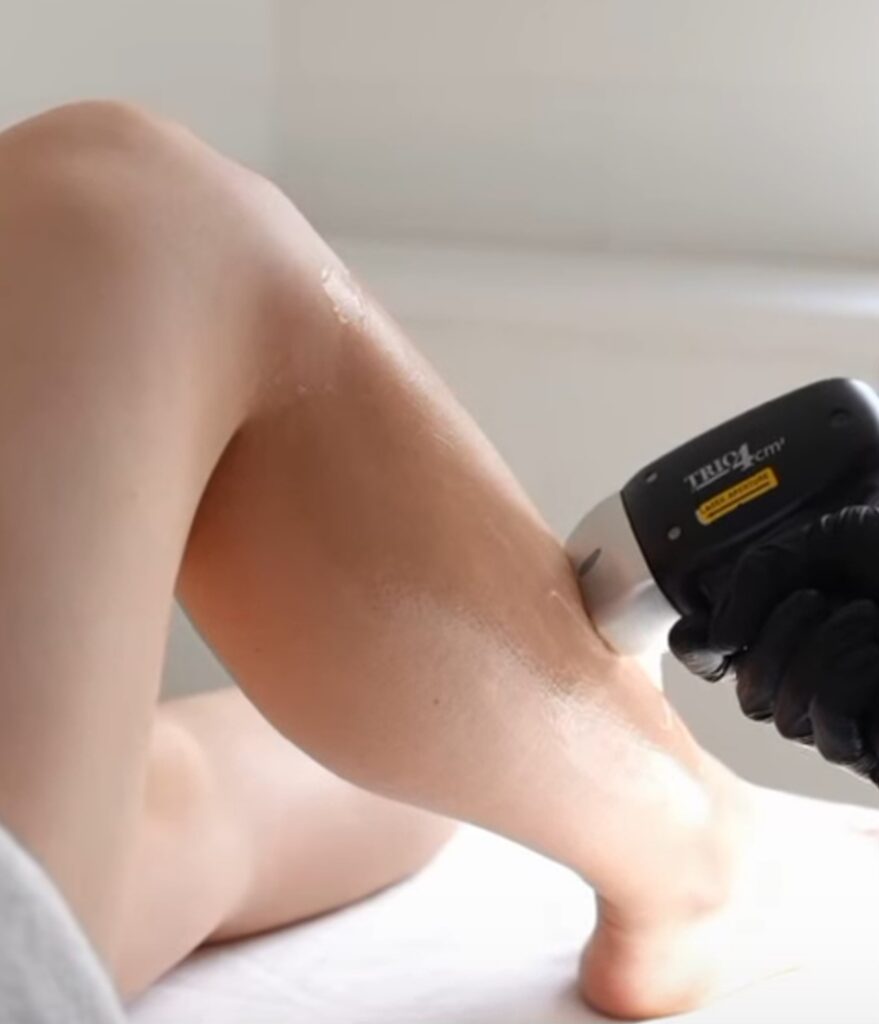
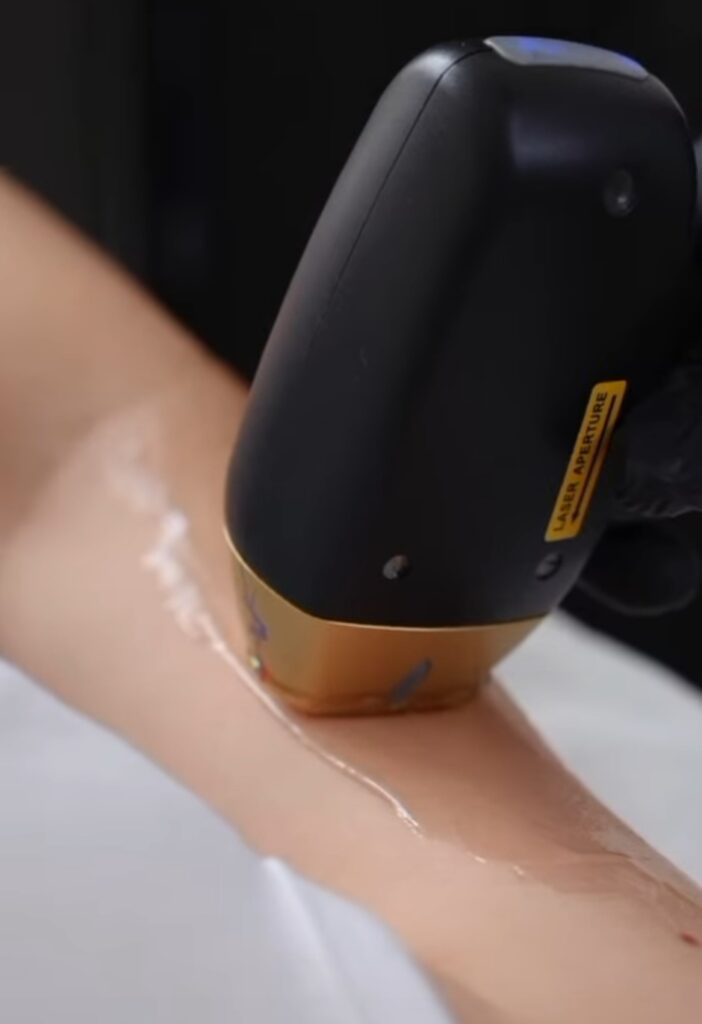
Instead of removing existing hair from the surface, concentrated light targets the pigment within the hair follicle. Over a series of treatments, this may reduce future hair growth.
Because there are fewer hairs growing back, many people also experience fewer ingrown hairs.
Potential benefits may include:
- Less frequent shaving
- Reduced skin irritation
- Fewer ingrown hairs over time
- Smoother-feeling skin
- Reduced razor bumps
It’s important to remember that results vary between individuals, and several treatment sessions are usually required because hair grows in different cycles.
Who May Benefit Most From Laser Hair Removal?
Laser hair removal may be worth considering if you:
- Experience regular ingrown hairs after shaving
- Frequently develop razor bumps
- Have sensitive skin that becomes irritated after hair removal
- Spend significant time shaving or waxing
- Want a longer-term approach to hair reduction
A consultation can help determine whether laser hair removal is appropriate based on your skin type, hair colour and treatment goals.
How To Stop Ingrown Hairs Between Treatments
Even if you’re planning laser hair removal, looking after your skin remains important.
Here are some simple ways to help reduce the likelihood of ingrown hairs:
Exfoliate Gently
Regular gentle exfoliation can help remove dead skin cells that may trap growing hairs.
Shave Correctly
Use a clean, sharp razor and shave in the direction of hair growth where possible to reduce irritation.
Keep Skin Moisturised
Well-hydrated skin is often less prone to irritation and dryness following hair removal.
Avoid Picking Ingrown Hairs
Picking at ingrown hairs can increase the risk of infection, inflammation and scarring.
Follow Professional Advice
If you're undergoing laser hair removal, follow any aftercare instructions provided by your practitioner to help your skin recover comfortably.
When Should You Seek Medical Advice?
While most ingrown hairs improve on their own, you should seek advice from your GP if you notice:
- Increasing pain
- Significant swelling
- Signs of infection such as pus
- Persistent or recurring severe ingrown hairs
- Large painful lumps beneath the skin
A healthcare professional can determine whether further treatment or investigation is appropriate.

How We Support Clients Looking For Longer-Term Hair Reduction
At Vogane Skin & Aesthetic, we understand how frustrating repeated shaving, waxing and ingrown hairs can be.
Our personalised consultations allow us to assess your skin, discuss your concerns and explain whether laser hair removal may be suitable for your individual needs. Every treatment plan is tailored to your skin type, hair characteristics and goals, with honest advice and realistic expectations throughout the process.
If you’d like to learn more about the treatment itself, visit our dedicated Laser Hair Removal page.
Frequently Asked Questions
Not necessarily. Many people experience fewer ingrown hairs as hair growth reduces, but no treatment can guarantee they will never occur.
This varies depending on the treatment area, hair type and individual response. Most people require multiple sessions because hair grows in different cycles.
For people who regularly experience ingrown hairs from waxing, laser hair removal may offer a longer-term reduction in hair growth, which can also reduce the likelihood of future ingrown hairs.
This depends on the condition of your skin and whether there is any active irritation or infection. A consultation will determine whether treatment is appropriate.
Many people find they shave much less frequently following a completed course of laser hair removal, although occasional maintenance treatments may be recommended.
Thinking About A Longer-Term Solution?
If recurring ingrown hairs are affecting your comfort or confidence, laser hair removal may be worth exploring as part of a longer-term hair reduction plan. A personalised consultation can help determine whether it’s the right option for your skin, hair type and goals, while giving you realistic expectations about treatment and results.
Find out more about our Laser Hair Removal service or contact our team to discuss your options.
Disclaimer: This article is for general information only and should not be considered medical advice. Laser hair removal is a cosmetic treatment, and individual suitability and outcomes vary. If you have persistent, painful or infected ingrown hairs, please seek advice from your GP or another appropriately qualified healthcare professional.