
If you’re considering microneedling for acne scars, you’re probably wondering whether it can genuinely improve your skin and what kind of results you can realistically expect. While no cosmetic treatment can guarantee perfect skin, microneedling has become a popular option for improving the appearance of acne scars, fine lines and uneven skin texture by encouraging the skin’s natural repair processes.
In this guide, we’ll explain how microneedling works, what improvements it may offer, who it may be suitable for and why patience is key when it comes to achieving the best possible outcome.
What Can You Realistically Expect From Microneedling?
Results vary depending on factors such as your skin type, the severity of your concerns and the number of treatments you have. Because microneedling works by stimulating your skin’s natural healing response, improvements usually develop over several weeks rather than immediately after treatment.
Most people achieve the best results as part of a course of treatments combined with appropriate skincare and aftercare.
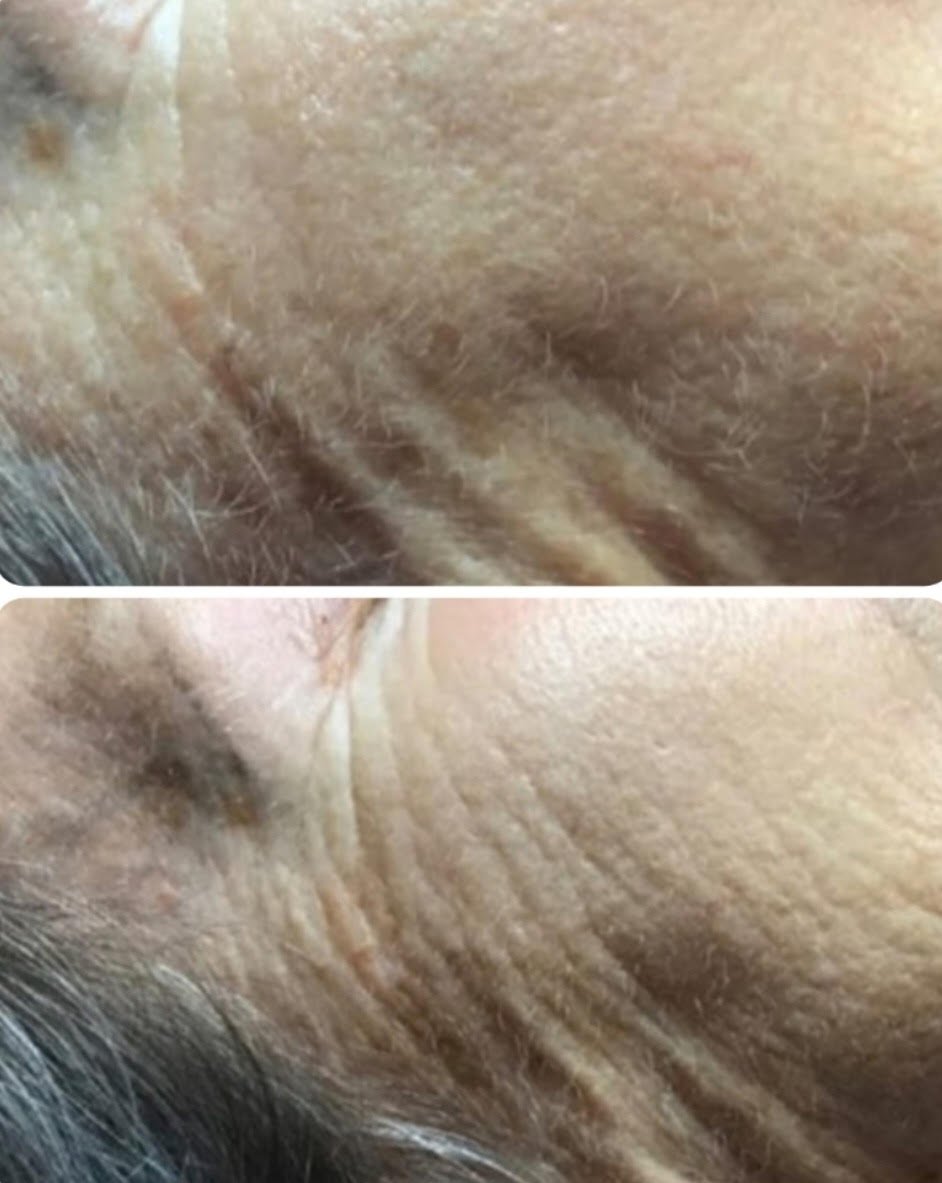
For many people, microneedling can gradually improve the appearance of:
- Acne scars
- Fine lines
- Uneven skin texture
- Enlarged pores
- Mild pigmentation following acne
- Overall skin quality
How Does Microneedling Work?
Microneedling, sometimes called collagen induction therapy, uses fine, sterile needles to create controlled micro-channels within the skin. These tiny channels stimulate your body’s natural healing response, encouraging the production of collagen and elastin, two proteins that help keep skin firm, smooth and resilient.
As the skin repairs itself, many people notice gradual improvements in skin texture and tone. Because collagen production takes time, the full benefits often continue to develop for several months after treatment.
Unlike treatments that simply target the skin’s surface, microneedling works within the deeper layers of the skin, making it a popular option for concerns related to texture and scarring.
Can Microneedling Help Acne Scars?
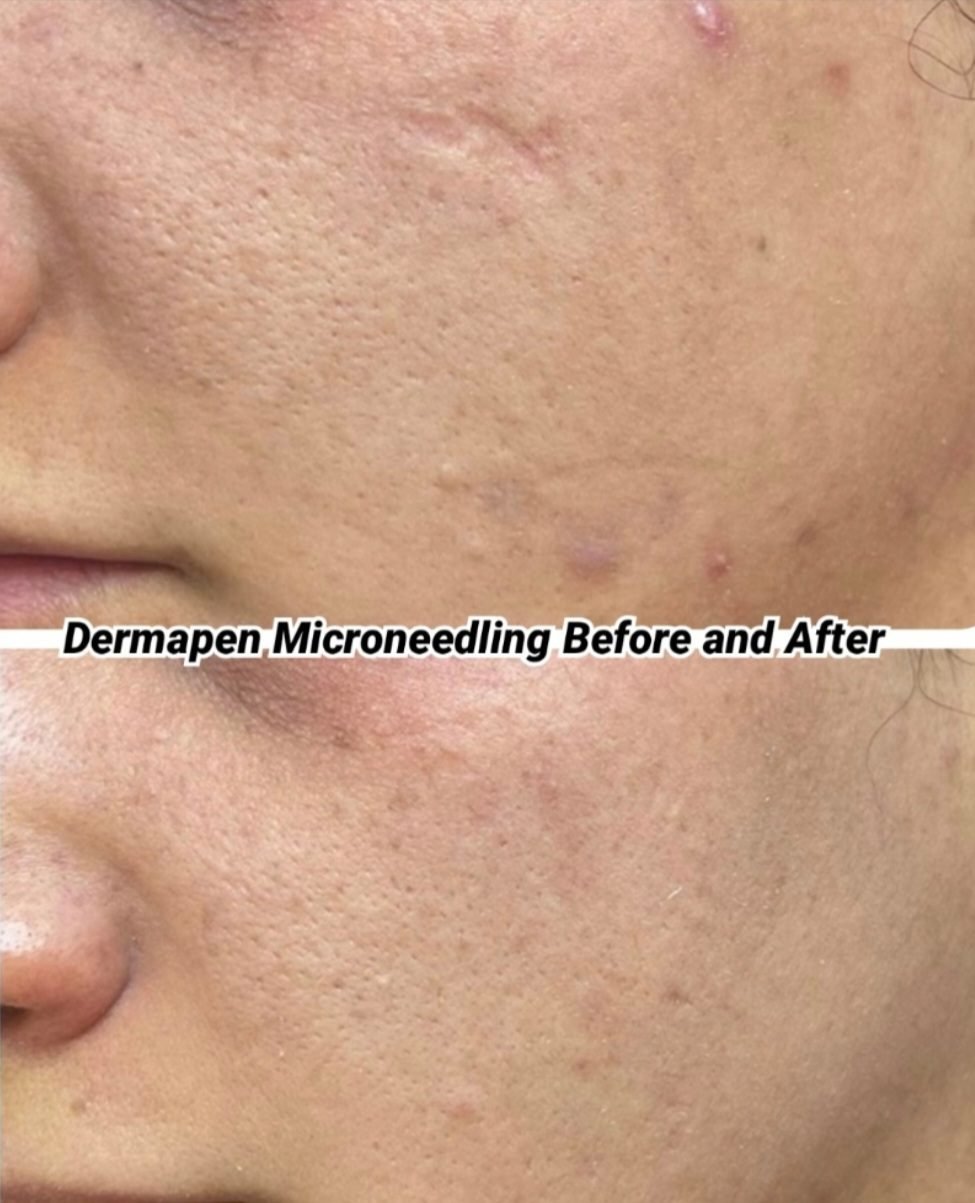
One of the most common reasons people choose microneedling is to improve the appearance of acne scars.
Acne scars develop when inflammation damages the deeper layers of the skin during the healing process. Depending on the type of scar, this can leave depressions, uneven texture or changes in skin tone.
By encouraging new collagen production, microneedling may help soften the appearance of certain acne scars over time, resulting in smoother-looking skin.
However, it’s important to understand that not all acne scars respond in the same way.
A professional consultation helps determine whether microneedling is likely to be appropriate for your individual skin concerns.
For example:
- Shallow atrophic scars often respond better than deeper scars.
- Ice pick scars may require alternative or combination treatments.
- Active acne should usually be managed before treating residual scarring.
What About Fine Lines And Skin Texture?
As we age, collagen production naturally slows down, contributing to the development of fine lines and changes in skin texture.
Many people also notice that their skin appears brighter and smoother as it heals, making microneedling a popular treatment for overall skin rejuvenation rather than for treating one specific concern.
It’s worth remembering that results develop gradually and are designed to enhance your skin’s natural appearance rather than dramatically change it.
Microneedling encourages new collagen formation, which may help improve the appearance of:
- Fine lines
- Rough skin texture
- Enlarged pores
- Mild skin laxity
- Dull-looking skin
When Will You See Results?
This is one of the questions we’re asked most often.
Immediately after treatment, your skin may appear slightly red and feel similar to mild sunburn. This is a normal part of the healing process for many people.
Over the following weeks, your skin begins producing new collagen, with gradual improvements becoming more noticeable over time.
While some people notice healthier-looking skin after their first treatment, concerns such as acne scarring and fine lines often require multiple sessions to achieve the best cosmetic improvements.
Because everyone’s skin heals differently, your results and treatment timeline will be unique to you.
Factors That Can Influence Your Results
Looking after your skin between treatments is just as important as the treatment itself. Protecting your skin from UV exposure and following a suitable skincare routine can help support your results.
No two people experience the same outcome from microneedling. Several factors can influence how your skin responds, including:
- The type and severity of your acne scars.
- Your age and natural collagen production.
- Your skin type.
- Your overall skin health.
- Following aftercare advice.
- Daily sun protection.
- Consistency with any recommended treatment plan.
Is Microneedling Right For Everyone?
Although microneedling is suitable for many people, it may not be appropriate in every situation.
A consultation is always the best way to determine whether microneedling is suitable for your skin and your individual goals.
For example, treatment may not be recommended if you have:
- Active acne breakouts.
- Certain skin infections.
- Some inflammatory skin conditions during a flare-up.
- Skin that is unable to heal normally.
Common Misconceptions About Microneedling
There are plenty of myths surrounding microneedling, so it’s important to have realistic expectations before starting treatment.
Results Are Not Instant
Microneedling works by stimulating your skin’s natural healing response. While your skin may appear fresher once the initial redness settles, collagen production takes time, meaning improvements typically develop gradually over several weeks and continue with each treatment.
One Treatment Is Not Always Enough
Although some people notice visible improvements after a single session, concerns such as acne scars and fine lines often benefit from a course of treatments. During your consultation, we’ll recommend a treatment plan based on your individual skin concerns and goals.
It Won't Remove Every Scar
Microneedling may improve the appearance of many acne scars, but it cannot completely remove all types of scarring. Deeper or more complex scars may require alternative or combination treatments, which can be discussed during your consultation.
How To Get The Best Results From Microneedling
Your treatment is only one part of the process. Looking after your skin before and after your appointments can help support the best possible outcome.
Consistency is often key, particularly when treating concerns such as acne scarring or uneven skin texture.
To maximise your results:
- Follow all aftercare advice provided by your practitioner.
- Wear a broad-spectrum SPF every day to protect your skin.
- Keep your skin well hydrated with suitable skincare products.
- Avoid picking or irritating your skin while it heals.
- Attend your recommended course of treatments if appropriate.
Can Microneedling Be Combined With Other Treatments?
In some cases, microneedling may be combined with other skin treatments as part of a personalised treatment plan.
Combining treatments can help address different aspects of skin health, such as hydration, texture and overall skin quality. Any recommendations will always be based on your skin assessment and treatment goals.
For example, depending on your skin concerns, we may recommend combining microneedling with treatments such as:
- Chemical skin peels.
- HydrO2 Facial.
- Skin boosters.
When Should You Consider Professional Advice?
If acne scars, fine lines or uneven skin texture are affecting your confidence, a professional consultation can help determine which treatment options may be suitable for your skin.
If you have active acne, unexplained skin changes or concerns about a mole or skin lesion, you should seek advice from your GP or a dermatologist before considering cosmetic treatment.
Frequently Asked Questions
Most people describe microneedling as mildly uncomfortable rather than painful. A topical numbing cream is typically applied beforehand to help make the treatment more comfortable.
This depends on your skin concerns and desired outcomes. While some people notice improvements after one treatment, acne scars and fine lines often require a course of treatments for the best cosmetic results.
Microneedling is generally used to improve the appearance of acne scars rather than treating active acne. If you have ongoing breakouts, we’ll assess your skin during your consultation and discuss the most appropriate approach.
Most people experience redness for a day or two after treatment, although this varies between individuals. Your practitioner will provide aftercare advice to help support your skin’s recovery.
Results vary from person to person. Maintaining a healthy skincare routine, protecting your skin from the sun, and attending maintenance treatments where appropriate may help prolong the cosmetic improvements achieved.
Thinking About Microneedling?
If you’re considering microneedling for acne scars, fine lines or uneven skin texture, the first step is understanding which treatment is most appropriate for your skin. A professional consultation allows your skin to be assessed and allows you to discuss your concerns, expectations and treatment options.
To learn more about microneedling and whether it may be suitable for you, find out more about our Microneedling treatment or book a consultation.